A stroll around Cockermouth Building Stones in search of geology Walk details can be downloaded from https://www.cbdc.org.uk/wp- content/uploads/2021/11/Cockermouth-Rock- Trail.pdf
After the walk we intend to gather in The Bush on Main Street 7.15 – 7.30. Anyone looking for food is advised to book in advance either at The Bush that will take a group of no more than 6 or elsewhere. Other options include: Hunters which will also have a quiz, Tarantella restaurant, The Bitter End and at more expense, The Trout.
Meet 10.30 am at the CWT car park at Smardale NY 742 083.
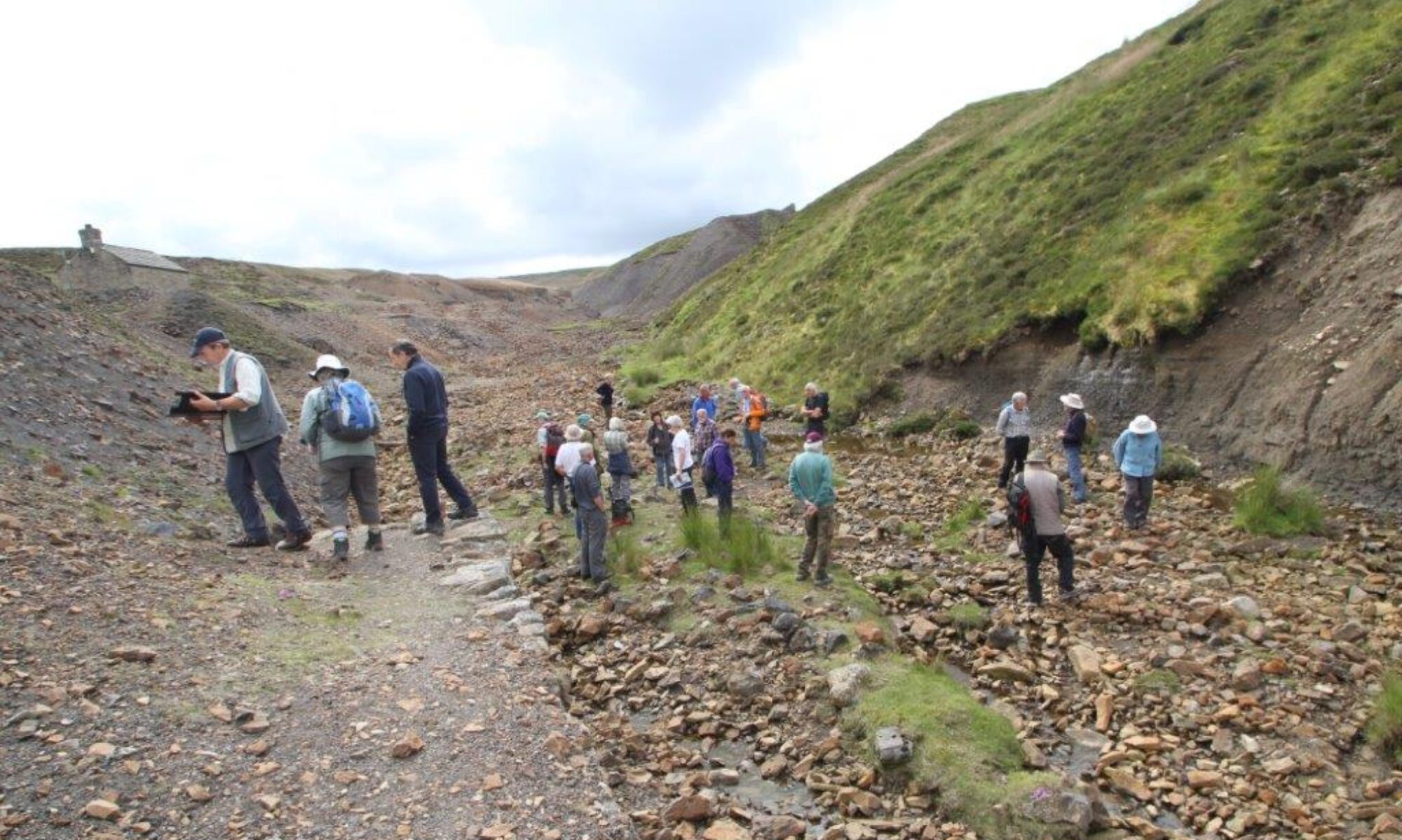
CGS members assisted with an earlier version of this GeoTrail, from Newbiggin-on-Lune. This GeoTrail starts in the new CWT car park and follows a GeoTrail designed for the Westmorland Dales Landscape Partnership Project. We will follow the trail over Smardale Fell, examining Carboniferous Ashfell Limestone and Sandstone, and return along the former railway line. About 5 miles, including open fell. GeoTrail leaflet available. Bring lunch.
Tipping points in climate science normally refer to small changes in the Earth system that unleashmuch broader, typically damaging impacts that accelerate climate change. Well-known examplesare rising sea levels due to disintegration of the Greenland and West Antarctic ice sheets, or therelease of methane from the thawing permafrost. They help to underline the urgency of climateaction. Today most people understand we must reduce emissions – and very quickly.
This evening Tim will summarise recent evidence regarding climate tipping points, which supportsdeclarations that we are in a ‘climate emergency’. Then he will turn to identifying positive socialtipping points that will need to be triggered to have any hope of limiting global warming to wellbelow 2C.
Tim Lenton is Chair in Climate Change and Earth System Science at Exeter University. His25 years of research includes developing models to understand the Earth’s behaviour. He co-authored the “Planetary Boundaries” framework and is renowned for his work identifying climatetipping points. He won the European Geosciences Union Outstanding Young Scientist Award in
2006 and subsequently many other prestigious awards. He is in the top 100 Reuters “Hot List” ofthe worlds top climate scientists so is good at communicating his extensive knowledge.
Outcrops to Paintbox, mineral pigments in artists paints.
Soft, coloured minerals which leave a strong streak have been employed as pigments for the last 500 thousand years. This talk will introduce some of the main minerals used as pigments, their chemistry and properties and discuss how they have been used in paintings throughout art history.